
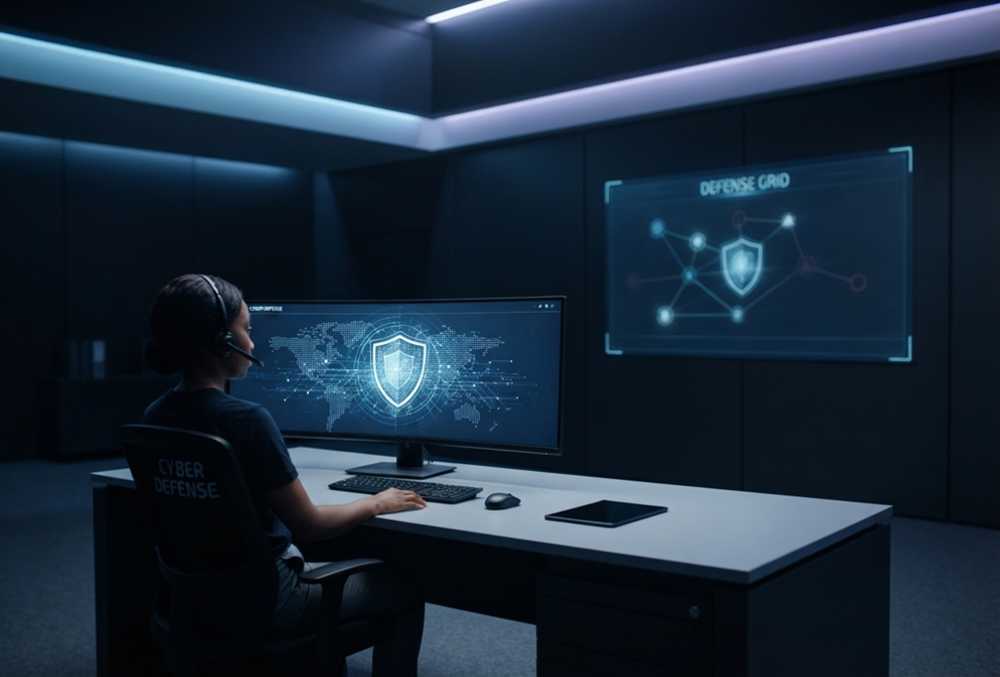
How to Prepare Your Business for a Cybersecurity Incident Before It Happens
How to Build a Cybersecurity Incident Response Plan
No business wants to imagine becoming the victim of a cybersecurity attack. Yet for organizations of every size, the question is no longer whether cyber threats exist—it is whether the business is prepared to respond when something eventually goes wrong.
Cybercriminals have become more sophisticated, more organized, and more persistent. Ransomware, phishing emails, credential theft, business email compromise, and other attacks target organizations across every industry, often looking for businesses that lack the time, resources, or expertise to defend themselves effectively.
Fortunately, preparing for a cybersecurity incident is not about expecting the worst. It is about building resilience so your business can continue operating even when unexpected events occur.
Organizations that plan ahead are often able to respond more quickly, reduce downtime, protect sensitive information, and recover with significantly less disruption than those forced to react in the middle of a crisis.
Cybersecurity Is a Business Issue—Not Just an IT Issue
Many business owners still think of cybersecurity as something handled entirely by the IT department.
In reality, cybersecurity affects every part of an organization.
A successful cyberattack can interrupt operations, prevent employees from accessing critical systems, delay customer service, disrupt financial processes, damage a company’s reputation, and create legal or regulatory concerns depending on the information involved.
For leadership teams, cybersecurity is ultimately about business continuity.
Protecting technology is important, but the larger objective is protecting the organization’s ability to continue serving customers, supporting employees, and operating with confidence.
Understand the Risks Your Business Faces
Every business has unique technology, workflows, and operational priorities.
Healthcare providers handle protected patient information. Manufacturers depend on production systems. Professional service firms rely heavily on email, file sharing, and client communications. Financial organizations manage highly sensitive data.
Understanding what is most important to your business helps determine where planning should begin.
Business leaders should ask questions such as:
- Which systems are absolutely critical to daily operations?
- What information would have the greatest impact if it became unavailable?
- How long could we realistically operate without our primary systems?
- Which vendors or cloud platforms do we depend on every day?
- What legal or regulatory obligations would apply if data were compromised?
Answering these questions creates the foundation for an effective cybersecurity strategy.
Employee Training Remains One of the Strongest Defenses
Technology alone cannot stop every cyberattack.
Many successful incidents begin with a simple email that convinces someone to click a malicious link, open an infected attachment, or provide login credentials to a fraudulent website.
That is why employee awareness remains one of the most valuable cybersecurity investments a business can make.
Employees should understand how to recognize:
- phishing emails
- suspicious attachments
- fake login pages
- unexpected requests for sensitive information
- social engineering tactics
- unusual payment requests
Regular training helps employees become an active part of the organization’s security posture rather than its weakest link.
Creating a culture where employees feel comfortable reporting suspicious activity can often prevent a small mistake from becoming a major incident.
Reliable Backups Are Essential
One of the most important questions every organization should be able to answer is surprisingly simple:
“If our systems became unavailable today, how would we recover?”
Reliable backups provide the foundation for business continuity.
However, simply having backups is not enough.
Organizations should regularly verify that backups are:
- running successfully
- stored securely
- protected from ransomware
- recoverable within an acceptable timeframe
- tested periodically
A backup that has never been tested may not provide the protection businesses expect when they need it most.
Recovery planning should be treated as an ongoing process rather than a one-time project.
Develop an Incident Response Plan Before You Need One
When a cybersecurity incident occurs, confusion often becomes one of the biggest obstacles to recovery.
Without a clear plan, valuable time may be lost deciding who should be contacted, which systems should be isolated, and how employees should respond.
An incident response plan provides structure during stressful situations.
While every organization’s plan will differ, it should generally address:
- who makes key decisions
- how incidents are reported internally
- when outside IT or cybersecurity specialists should be contacted
- how customer communications will be handled
- how business operations can continue during recovery
- how systems will be restored safely
Having these decisions made in advance allows organizations to respond more confidently under pressure.
Keep Technology Current
Cybersecurity depends heavily on maintaining modern, supported technology.
Older operating systems, outdated applications, unsupported hardware, and delayed security updates all create unnecessary opportunities for attackers.
Keeping systems current includes:
- installing security patches promptly
- replacing unsupported software
- upgrading aging hardware
- reviewing user access permissions
- monitoring security alerts
- evaluating new vulnerabilities as they emerge
Regular maintenance helps reduce the number of weaknesses that cybercriminals can exploit.
Work With a Trusted Technology Partner
Most small and mid-sized businesses do not maintain a dedicated cybersecurity department.
Instead, they rely on experienced IT professionals who continuously monitor their technology environment, identify risks, recommend improvements, and respond quickly when problems occur.
A proactive IT partner can assist with:
- cybersecurity assessments
- network monitoring
- endpoint protection
- backup management
- vulnerability management
- employee security training
- incident response planning
- ongoing technology guidance
Rather than reacting after an attack, businesses gain the benefit of continuous oversight designed to reduce risk before incidents occur.
Preparation Reduces Business Disruption
No cybersecurity strategy can guarantee that an organization will never experience an attack.
What preparation can do is reduce the operational impact when something unexpected happens.
Businesses that invest in proactive planning often recover faster because they already know:
- who is responsible
- how systems will be restored
- where critical data is protected
- how employees should respond
- how customers will be informed
- what steps should happen next
Preparation transforms a potential crisis into a structured response rather than a chaotic emergency.
Final Thoughts
Cybersecurity preparedness is ultimately about protecting the continuity of your business.
Technology failures, ransomware attacks, phishing attempts, and other cyber threats have the potential to disrupt operations, but organizations that prepare in advance are far better positioned to recover quickly and minimize long-term impact.
Developing a cybersecurity strategy, training employees, maintaining reliable backups, keeping systems updated, and working with experienced IT professionals all contribute to a stronger, more resilient business.
For organizations throughout Louisiana, investing in cybersecurity preparation today can help protect productivity, customer trust, and business stability for years to come.